

Taxpayer funded entities that promote and carry out public land extraction are holding a workshop on June 11 at Colorado School of Mines for how to better sidestep peer-reviewed science and public opinion to promote landscape-wide industrial logging as a “solution” to wildfire.
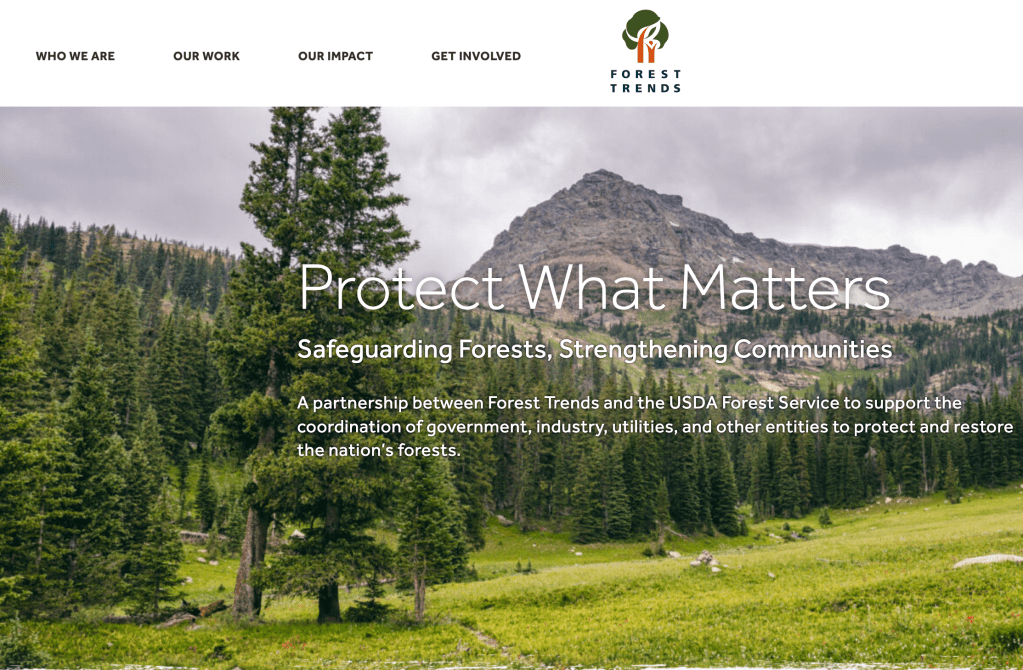
The “Protect What Matters” Communications Workshop is a partnership between U.S. Forest Service and Forest Trends to “improve how wildfire mitigation is discussed with the public, partners, and decision-makers.”
Forest Trends cloaks itself in “green” language while boasting of having “pioneered the idea that creating economic value in our forests and natural ecosystems is one of the most powerful incentives for sustaining them.” It has a ~$10 million annual budget and a board stacked with logging industry/agency, real estate, and finance executives.
The U.S. Forest Service carries out the federal timber sale program while spending billions of taxpayer dollars every year to log—including clearcutting—National Forests in endangered species habitat, Roadless Areas, and old-growth forests in the name of wildfire.
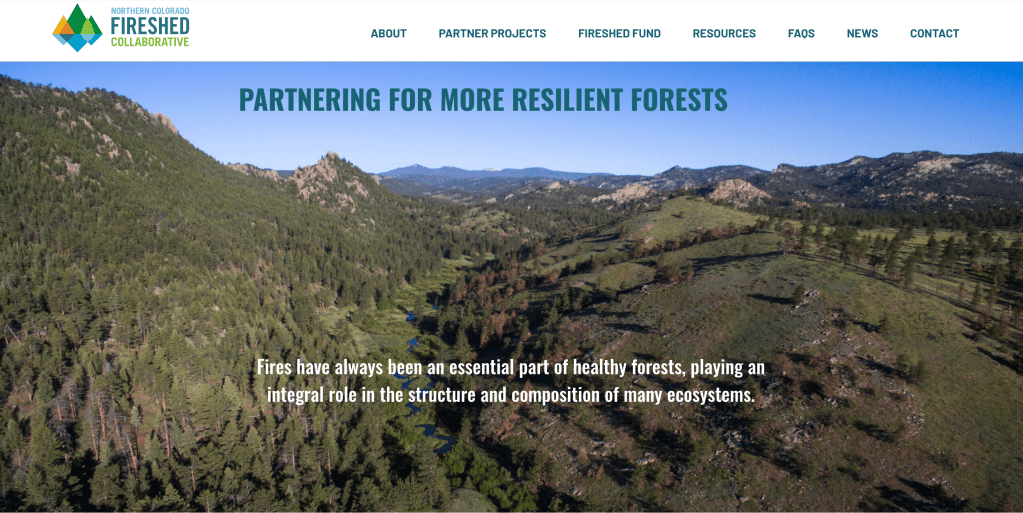
The “Protect What Matters” workshop is scheduled for the quarterly meeting of Northern Colorado Fireshed Collaborative, a collaboration between “federal, state, and local government agencies; nonprofit organizations; university-based entities; and watershed coalitions” with the primary focus of attracting taxpayer funding to promote and carry out “fuel reduction” logging.
Widespread proliferation of one-sided talking points, distorted misinformation, and outright disinformation across government, NGO, and media landscape by logging interests has helped put millions of acres on the chopping block in Colorado, nearly a half-million in the Front Range alone. Such schemes ignore abundant peer-reviewed science showing the ineffective or counterproductive reality of “fuel reduction” in order to ramp up fire hysteria and draw attention and funding away from measures proven to actually protect communities from wildfire.
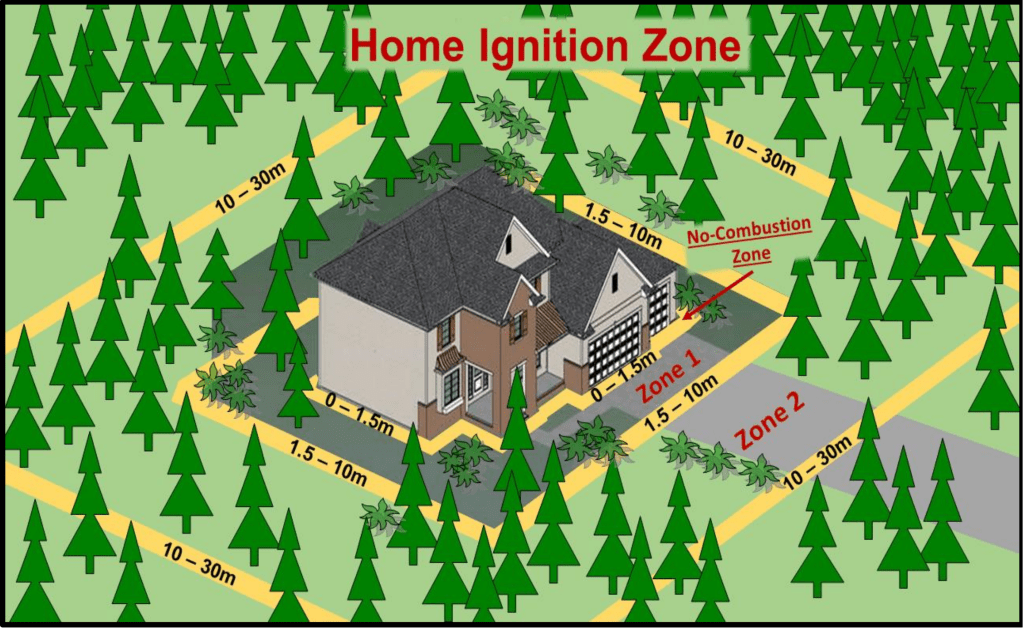
In March, a bill was introduced into the Colorado state legislature that would’ve shared a percentage of the tens of millions in “wildfire mitigation” taxpayer dollars—currently routed almost exclusively towards logging—with proven-to-be-effective home hardening. After industry, government, and NGO logging interests rallied to axe the bill, the same entities have ramped up their PR campaign to guard their funding.
A ballot initiative sponsored by The Nature Conservancy (which logs public lands at taxpayer expense and has a $1.8 billion budget) and Western Resource Advocates—both NGOs testified against the aforementioned bill that would’ve provided financial assistance to low-income, elderly, and disabled Coloradans for home hardening—seeks to expand logging spending under the cover of recreation, while using the utterly fabricated claim that it would somehow “prevent wildfires.”
Aside from the deceptive and outright false petition language, the initiative may be found to be unconstitutional as it shirks Colorado State Law requiring a ballot measure to follow the “Single Subject Rule,” where only one topic can be addressed per initiative. Measure 308 has separate calls for recreation and “fuel reduction” logging funding.
While there is almost no peer-reviewed science showing that logging itself prevents the spread of wildfire to communities—merely sometimes reduce the forest burn severity of lower-intensity fires already easily contained by firefighters—there are numerous studies proving tree cutting can increase the rate of flame and ember spread by drying out and heating up forests and opening them to wind.
Colorado Forest Restoration Institute (CFRI), which counsels Colorado logging interests and provides the Dropbox folder for the June 11 meeting agenda, was recently exposed in a Denver Post column for communications uncovered in a Colorado Open Records Act filing. The email from CFRI’s director privately acknowledged that the agencies “overpromise” results from “fuel reduction” and that abundant science contests the efficacy of such cutting, while advising logging interests to never publicly admit this.


Leave a Reply